


By Matik Kueth
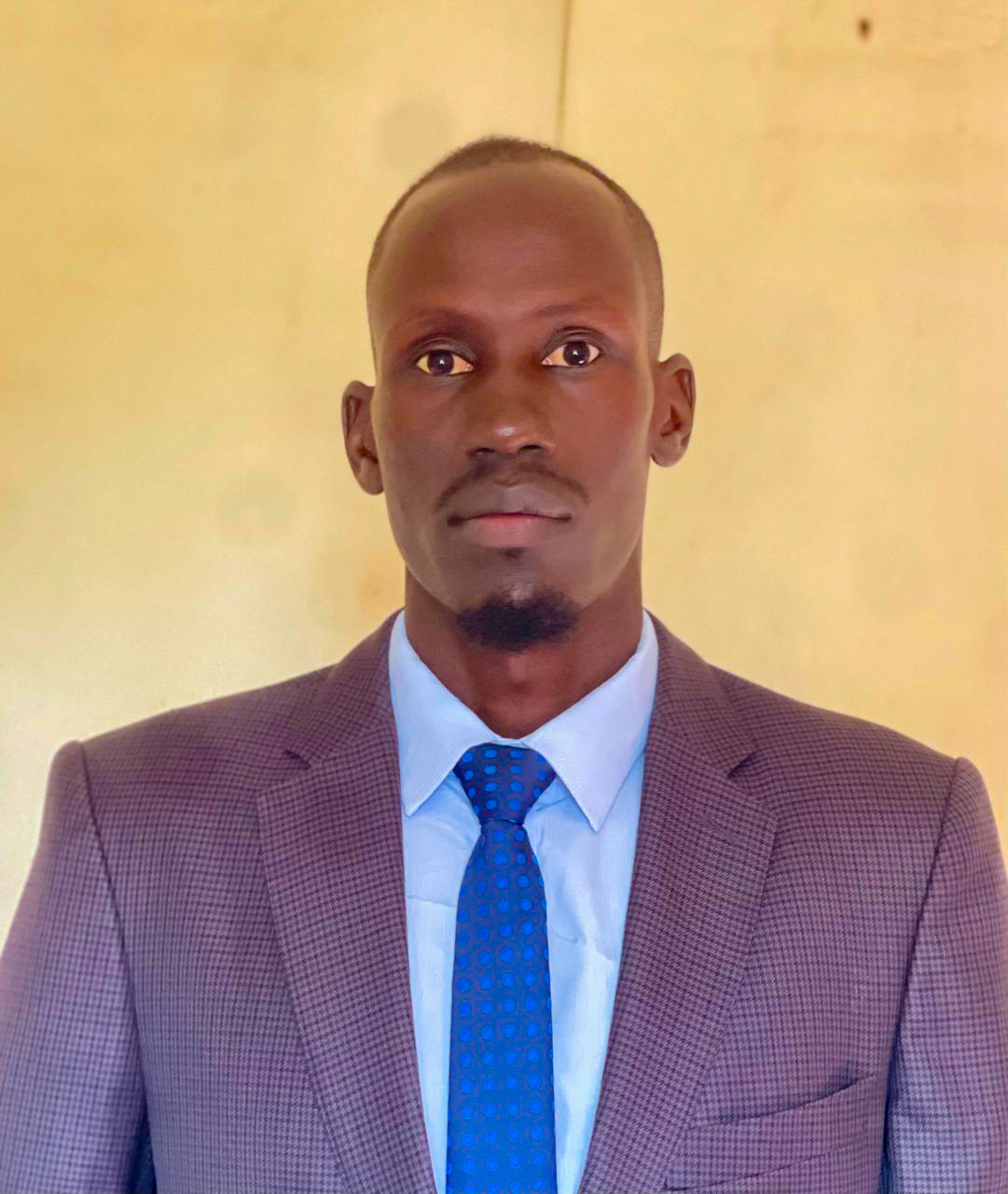
His storytelling echoes the literary tradition of Chinua Achebe, preserving culture, history, and identity in the face of change. Gatluak Kedok Jiek, popularly known as Bailuk, was born in Fangak County, Jonglei State, South Sudan, and has emerged as one of the country’s most compelling voices in storytelling. From the banks of the Sobat River, where oral traditions and folklore shaped his earliest years, Jiek began his literary journey by listening, observing, and retelling the stories of his community.
Much like Chinua Achebe captured the complexities of Igbo life in Things Fall Apart, Jiek evokes the rhythms, struggles, and resilience of South Sudanese life on the page, blending historical depth with human nuance. His debut novel, The Leopard’s Last Growl, delves into pre-secession Sudan, exploring themes of war, identity, and the tension between tradition and modernity through the lens of the Nuer people. In an interview with King Media’s Matik Kueth, Bailuk shares his journey from local storyteller to internationally published author, the challenges he has faced, and his determination to continue placing South Sudanese stories on the global literary map.
Kueth: Thank you for granting us this exclusive interview. Kindly tell us about yourself and how you identify yourself, as a writer, historian, or storyteller of South Sudanese experiences?
Jiek: Thank you very much for the opportunity to have this interview with King TV. Your platform gives me a great chance to connect with both reading and writing communities. I am Gatluak Kedok Jiek, also known as Bailuk. I was born in present-day Fangak County in Jonglei State, South Sudan. I identify primarily as a storyteller of South Sudanese experiences. My writing is rooted in the histories, cultures, and everyday realities of South Sudanese communities, particularly the Nuer people, among whom my books are set. While I am a medical professional and not an academic historian or literature guru, I work closely with history through oral tradition and lived experience. Oral storytelling has long been how our communities preserved knowledge, customs, and identity, and my work aims to document and carry that tradition forward for both local and international audiences.
Kueth: You have just signed a publishing deal with Sulis International Press in the United States. Can you tell us how this opportunity came about and what it represents in your literary journey?
Jiek: Sulis International Press issued an open call for manuscript submissions, and I submitted The Leopard’s Last Growl. Shortly after, I was contacted and informed that the story had caught their interest and would be reviewed by their editorial team. After that process, I received an acceptance email. The editors cited the manuscript’s portrayal of Nuer culture, its authentic representation of South Sudanese history, and its unique exploration of themes such as tradition versus modernity and the impacts of war. They also highlighted the story’s authentic voice and thematic depth. This opportunity represents more than just a publishing deal. It signals the possibility of real progress in writing. While it is often difficult for self-published and independent authors to transition into traditional publishing, achieving this milestone remains a dream for many. As I express my gratitude, I also see this as a validation that South Sudanese stories, when told uniquely and authentically, can fill a gap in the international literary space.
Kueth: Your debut novel, The Leopard’s Last Growl, is set in pre-secession Sudan. Why did you choose this historical period as the backdrop for your first major work?
Jiek: I chose the pre-secession period because it exposed the realities of political marginalization and discrimination based on religion and identity, particularly between Southern and Northern Sudan. This period allowed me to present these disparities honestly, while also highlighting that, despite deep divisions, there were still opportunities for unity and coexistence. At the same time, the civil war provides the historical grounding for the story, as my work is historical fiction. The South was also undergoing significant cultural and social transformation, with traditional systems increasingly challenged by education, governance, and changing social norms. This made the period ideal for exploring the tension between tradition and modernity, a theme that continues to resonate in South Sudan today.
Kueth: The novel draws strongly from Nuer cultural history. How did your cultural background influence the characters, themes, and worldview presented in the book?
Jiek: I grew up hearing and retelling Nuer folklore and oral traditions, so I wrote the life I was born into. That lived experience shaped my themes, my characters’ choices, and their sense of identity. As I later became a reader of both local and international novels, I realized how underrepresented our literature was. I saw that the stories I had lived and inherited could help fill that literary gap, offering the world a meaningful cultural and historical reference on South Sudan.
Kueth: War, identity, and the tension between tradition and modernity are central themes in the novel. How do these themes reflect the broader South Sudanese experience, both past and present?
Jiek: Some of these themes, such as identity, reflect the discriminatory experiences South Sudanese communities faced during the Sudan era. The theme of war mirrors the civil conflicts that continue even in present-day South Sudan. These experiences of war and identity shape how people understand the past and how they might learn from history to change the present, something I strongly hope to see in South Sudan today. At the same time, the tension between tradition and modernity, whether in education, governance, or social change, continues to define the nation. Through the novel, I wanted to show that these are contemporary realities, still being lived and felt, as our communities transition from traditional systems into modern religious and civil structures.
Kueth: As a South Sudanese writer entering the international publishing space, what challenges have you faced in telling your story, and how have you navigated them?
Jiek: One challenge has been the writing itself, how it is perceived by South Sudanese communities. Writing in literary-deficient countries like South Sudan, many people do not fully understand its value, so they often respond with doubt, leave you alone, or fail to uplift and promote your work. Another challenge is coming from a place where only a few literary professionals, like Professor Taban Lo Liyong, are known. This can make it difficult to break into regional literary spaces. Finding editors with South Sudanese cultural knowledge is also a problem, because sometimes editorial processes handled by foreign editors can unintentionally change your literary voice. Even without strong local or regional support, I had to navigate these challenges personally. I asked myself whether my work could compete regionally or internationally, and what I needed to do to make each new project stronger than the last. I taught myself to edit fiction and took ownership of my craft. And now that I have become a recognized literary voice from South Sudan, I aim to offer literary support to South Sudanese readers and writers.
Kueth: With the book scheduled for global release in March 2026, what do you hope international readers will understand about South Sudan after reading The Leopard’s Last Growl?
Jiek: I hope international readers gain a deeper understanding of South Sudan beyond headlines about civil war, and see our rich histories and cultures. The novel offers insight into how ordinary people navigated extraordinary circumstances, and how traditions and values continue to shape identity. Ultimately, I hope it fosters empathy, appreciation, and curiosity about a country whose literature is underrepresented.