


By Baraka John
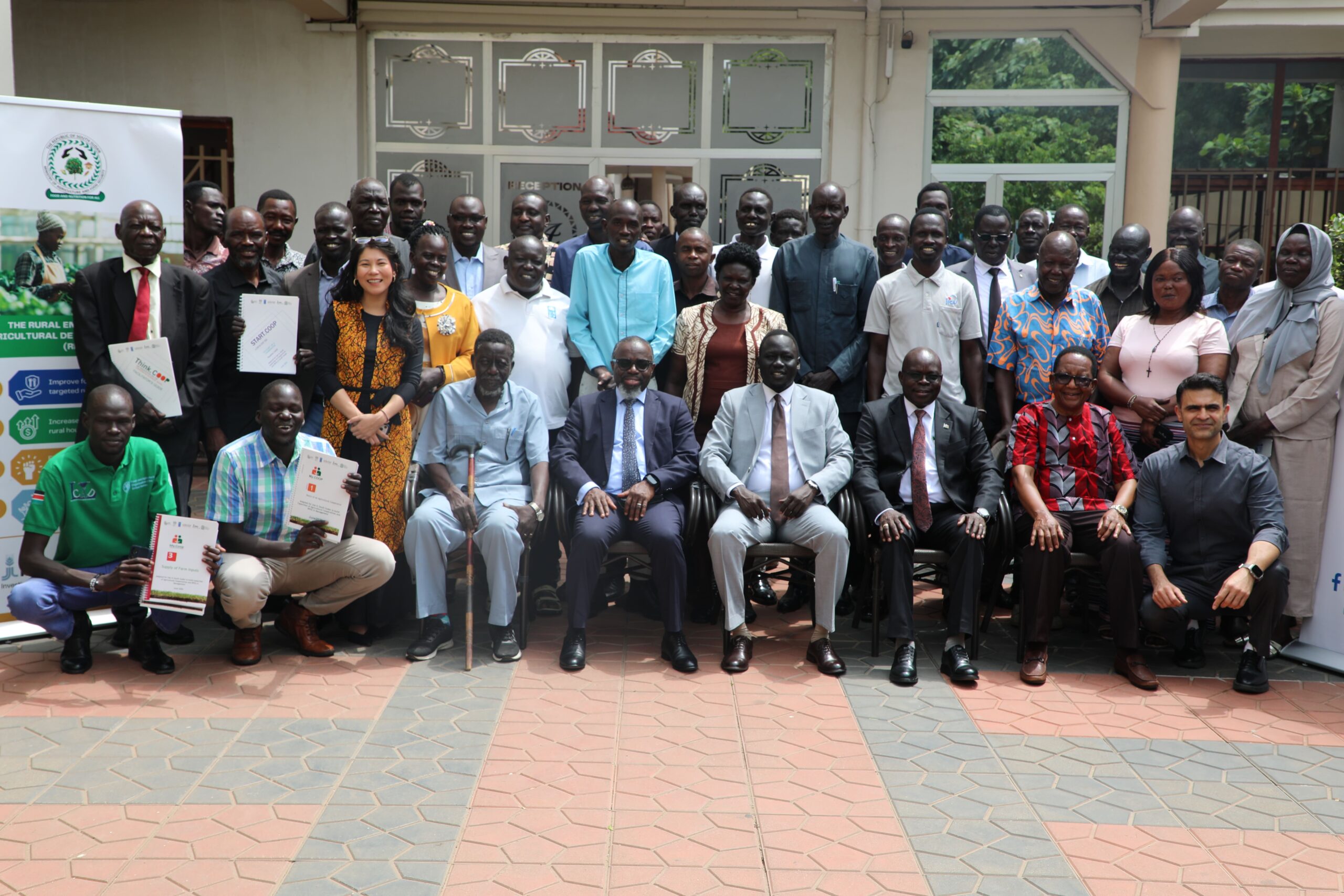
South Sudan has launched a nationwide Training of Trainers (ToT) programme to strengthen farmer cooperatives, improve agricultural productivity, and boost rural livelihoods.
The 10-day training, which began in Juba on Monday, is being implemented under the Rural Enterprises for Agricultural Development (READ) Project. The initiative is funded by the International Fund for Agricultural Development (IFAD), led by the Ministry of Agriculture and Food Security (MAFS), and supported by the United Nations Development Programme (UNDP) in partnership with the International Labour Organization (ILO).
The programme brings together government agriculture officials, cooperative officers, service providers, development partners, and ILO-certified master trainers to build a national pool of experts who will support farmer cooperatives and Rural Producer Organizations (RPOs) across the country.
Speaking at the launch, Undersecretary for Cooperatives and Rural Development Anthony Maak Achuoth described cooperatives as key drivers of agricultural transformation.
“Strong cooperatives help farmers improve productivity, access markets, reduce costs, and increase their bargaining power,” he said, adding that they are essential for strengthening rural economies and food security.
The training follows the successful mapping of cooperatives under the READ Project and introduces participants to internationally recognized ILO cooperative development tools, including Think.COOP, Start.COOP, and My.COOP, adapted to South Sudan’s local context.
UNDP Deputy Resident Representative for Operations Yacin Komenan said the programme is an investment in the country’s rural institutions and future agricultural growth.
“Well-managed cooperatives help farmers access finance, markets, and better business opportunities while building resilience to climate change and other challenges,” Komenan said.
The initiative aims to create a sustainable network of certified trainers who will continue supporting cooperative development beyond the lifespan of the READ Project, contributing to stronger rural enterprises, improved food security, and sustainable agricultural development across South Sudan.