


By Matik Kueth
The African Development Bank has urged South Sudan to reduce its reliance on oil revenues and diversify its sources of development financing through stronger domestic resource mobilization and increased private investment.
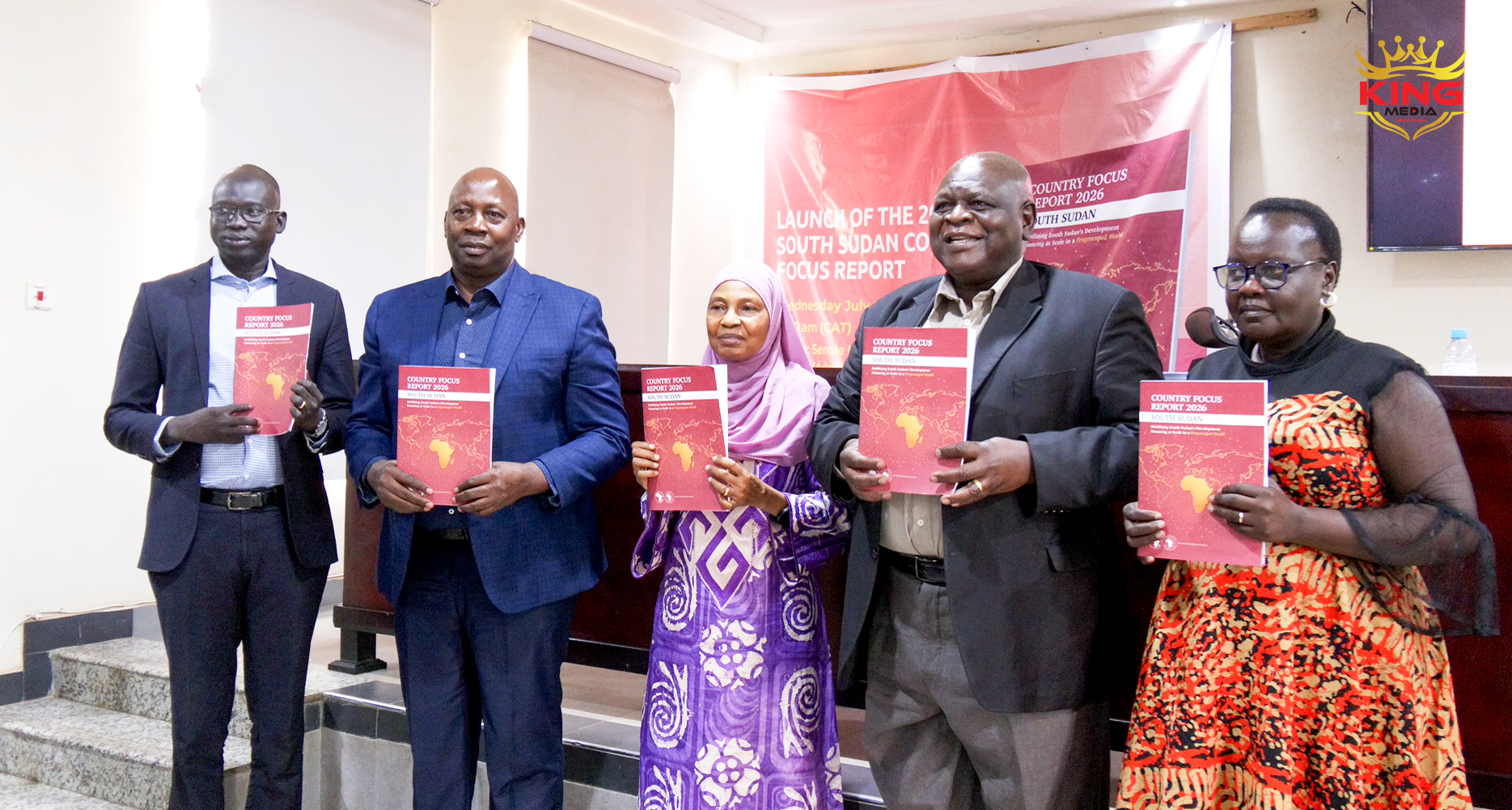
The call came on Wednesday as the bank launched the 2026 South Sudan Country Focus Report in Juba under the theme, “Mobilizing South Sudan’s Development Financing at Scale in a Fragmented World.” The report outlines policy recommendations aimed at building a more resilient, inclusive and sustainable economy.
Fauzia Haji, AfDB Officer-in-Charge Country Manager, said South Sudan’s economy is showing signs of recovery but still faces major challenges.
“We all agree that this report has come at a critical moment while Africa continues to demonstrate resilience. South Sudan faces unique opportunities and challenges. The economy has rebounded following the exemption of oil exports and agriculture continues to provide livelihoods for the majority of the population,” Haji said.
She added, “Yet significant vulnerabilities remain, including dependence on oil revenues, low domestic resource mobilization, widespread poverty, and a substantial financing gap for achieving the Sustainable Development Goals and the Agenda 2063 of the AU Agenda.”
Haji stated that diversifying development financing is essential to supporting South Sudan’s long-term economic transformation.
“South Sudan must broaden and diversify its resources for development financing to build a more resilient, inclusive, and sustainable economy. This requires strengthening domestic revenue mobilization, creating an enabling environment for private investment, and leveraging strategic partnerships to unlock new sources of capital,” she stressed.
The report was welcomed by academics and policymakers, who said it provides timely recommendations for strengthening South Sudan’s economic resilience.
Prof. Isaac Cleto, University of Juba’s Deputy Vice Chancellor, described the report as a timely resource that can help shape national policy and strengthen evidence-based decision-making.
“This report arrives at a timely moment. Its assessment of our economic performance over 2024-2025 is an honest accounting of our development, financing needs and gaps, and its policy recommendations for scaling up financing and deepening domestic resource mobilization speak directly to the choices our nation must now make,” said Prof. Isaac Cleto, University of Juba’s Deputy Vice Chancellor for Academic Affairs.
The African Development Bank currently supports 26 projects in South Sudan focusing on agriculture, energy, water and sanitation, governance and financial sector development, among other sectors, aimed at strengthening resilience and promoting long-term economic growth.
The launch brought together government officials, academics, private sector representatives, development partners, and other stakeholders to discuss practical solutions to address the country’s development financing challenges.
The Country Focus Report is part of the African Development Bank’s annual economic assessment of its 54 regional member countries, providing policy recommendations to guide development planning.