


By Baraka John
A veteran women’s activist and former liberation supporter in Western Equatoria State has voiced frustration over what she describes as the continued neglect of women who sacrificed during South Sudan’s liberation struggle, saying many former supporters remain unrecognized and trapped in poverty years after independence.
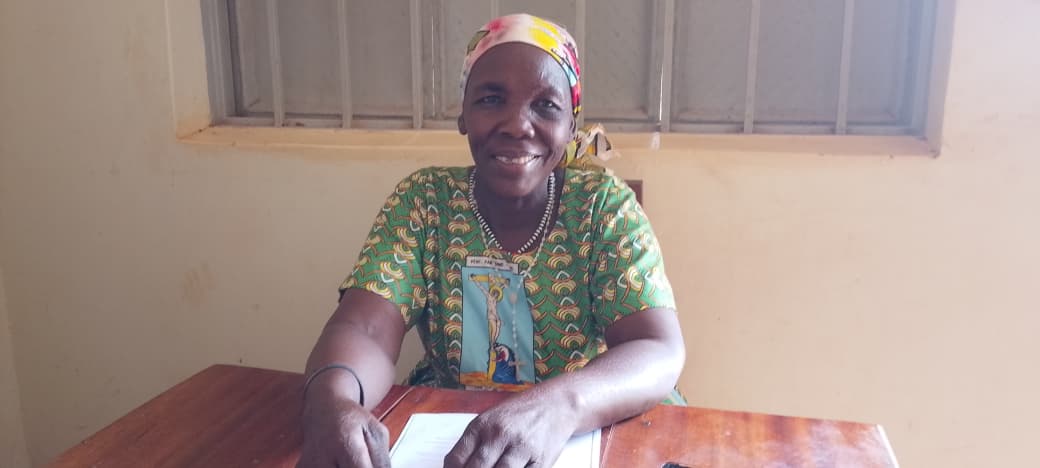
Christine Fasino Makolandere, 62, a resident of Yambio, shared her emotional memories during an interview with King Media, reflecting on the role women played in the struggle for South Sudan’s freedom.
Born in Nzara County and later raised partly in Yambio after her family fled earlier conflict, Christine said she witnessed the liberation of Yambio in November 1990 and later joined local women’s mobilization efforts in support of the liberation movement.
“We helped establish civil and military administration structures during the war after moving to Chukudum in 1994 and endured great hardship alongside the movement,” Mokolandere said. “Many women left behind young children and walked through dangerous conditions, yet despite our sacrifices, I have never been given a government position.”
According to Christine, women played a critical role behind the frontlines by mobilizing food supplies, grinding maize and groundnuts, and preparing support for soldiers fighting in areas such as Kubiri boo and Kubir Arubain.
Christine said many women were inspired to join the movement after hearing messages from John Garang, who encouraged all South Sudanese, regardless of gender or age, to participate in the struggle for a better future.
Despite their contribution, Christine described the liberation years as extremely difficult for women, many of whom became heads of households while their husbands and relatives joined the war. Women were forced to farm, raise children, and survive by running small businesses and brewing local alcohol to support their families.
“We formed the Sonosa Women Group during the liberation struggle and supported the movement by collecting food like maize and groundnuts for soldiers on the frontlines. Dr. John Garang’s call for every man and woman to join the struggle motivated me to take part and contribute to a better future,” she said.
The veteran activist also criticized South Sudan’s leaders for continued insecurity, economic hardship, and delayed salaries, saying ordinary citizens are still suffering despite the country’s independence.
Christine urged young people to learn from the sacrifices made during the liberation struggle and remain patient, united, and committed to peace and national development.
She called on national leaders to prioritize peace, improve living conditions, and remember the sacrifices made by ordinary citizens, especially women, during the liberation struggle.
South Sudanese on Saturday celebrated SPLA Day, a national occasion commemorating the founding of the Sudan People’s Liberation Army (SPLA) on May 16, 1983.
The day honors the men and women who took part in the liberation struggle that eventually led to the independence of South Sudan in 2011 after more than two decades of civil war.
SPLA Day is regarded as a symbol of sacrifice, resilience, and unity among the South Sudanese people. Across the country, citizens remember those who lost their lives in the struggle and reflect on the importance of peace, nation-building, and reconciliation for the country’s future.