


Guya Scopas Bethuel
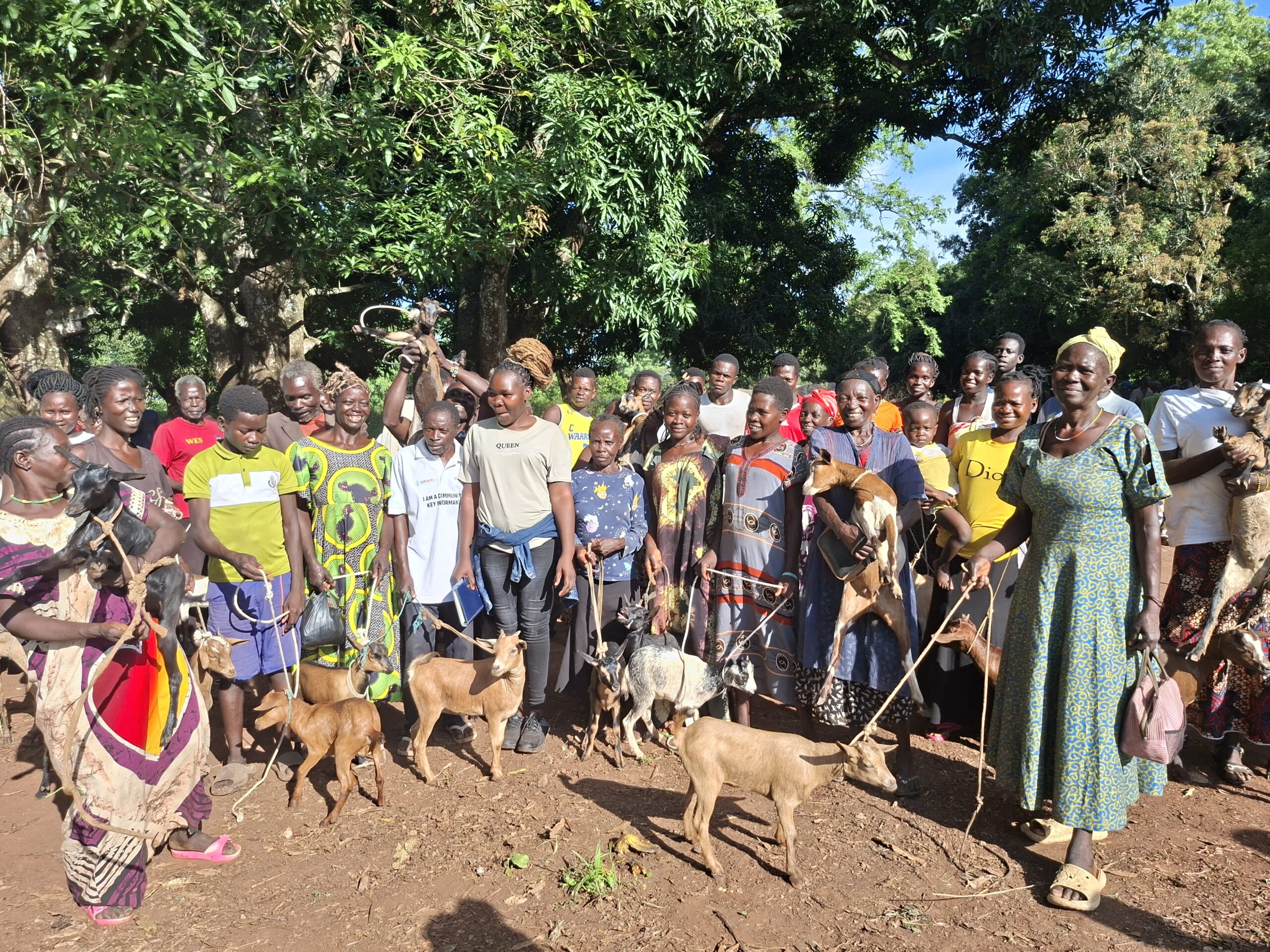
The Deutsche Gesellschaft für Internationale Zusammenarbeit (GIZ) GmbH has distributed 750 female goats to vulnerable households in Yambio and Nzara counties, in a move aimed at strengthening food security and improving livelihoods in South Sudan.
The initiative, implemented under the Food and Nutrition Security and Management of Natural Resources (FONA) project and funded by the German Federal Ministry for Economic Cooperation and Development (BMZ), targets both host communities and returnees who continue to face challenges in accessing adequate nutrition and sustainable income sources.
Small livestock such as goats and sheep play a vital role in rural communities, providing a reliable source of protein through meat and milk, as well as income for households. According to GIZ, integrating small ruminants into farming systems helps reduce dependence on crop production alone, especially in areas vulnerable to climate shocks and food shortages.
“Providing small ruminants is a practical and sustainable way to support vulnerable households,” the organization noted in a statement. “Goats are resilient, easy to manage, and can quickly reproduce, enabling families to build assets and improve their nutrition over time.”
The distributed goats were selected based on strict quality standards to ensure they are healthy, productive, and suitable for breeding. In addition to the livestock distribution, beneficiaries are receiving training on improved animal husbandry practices, including feeding, health management, and general care, to help them maximize long-term benefits.
GIZ emphasized that the procurement and delivery of the animals followed established animal welfare and transportation guidelines, ensuring their safety and well-being throughout the process.
The intervention forms part of broader efforts by GIZ to enhance agricultural productivity, promote sustainable natural resource management, and strengthen resilience among smallholder farmers in South Sudan. By supporting livestock-based livelihoods, the project aims to contribute to long-term food and nutrition security in the country.
Project beneficiaries pose for a group after receiving their goats.
GIZ operates on behalf of the German government and partners in more than 120 countries worldwide, supporting sustainable development initiatives. In South Sudan, Germany’s development cooperation focuses on key sectors including local governance, rural development, agri-food systems, water and sanitation, peacebuilding, and gender equality.