


By Matik Kueth
The Chairperson of the Ceasefire Transitional Security Arrangements Monitoring and Verification Mechanism (CTSAMVM), Maj. Gen. Teshome Anagawe Ayana has announced plans to investigate the recent massacre in Abiemnhom County, Ruweng Administrative Area, with a verification mission scheduled for April 10th, 2026.
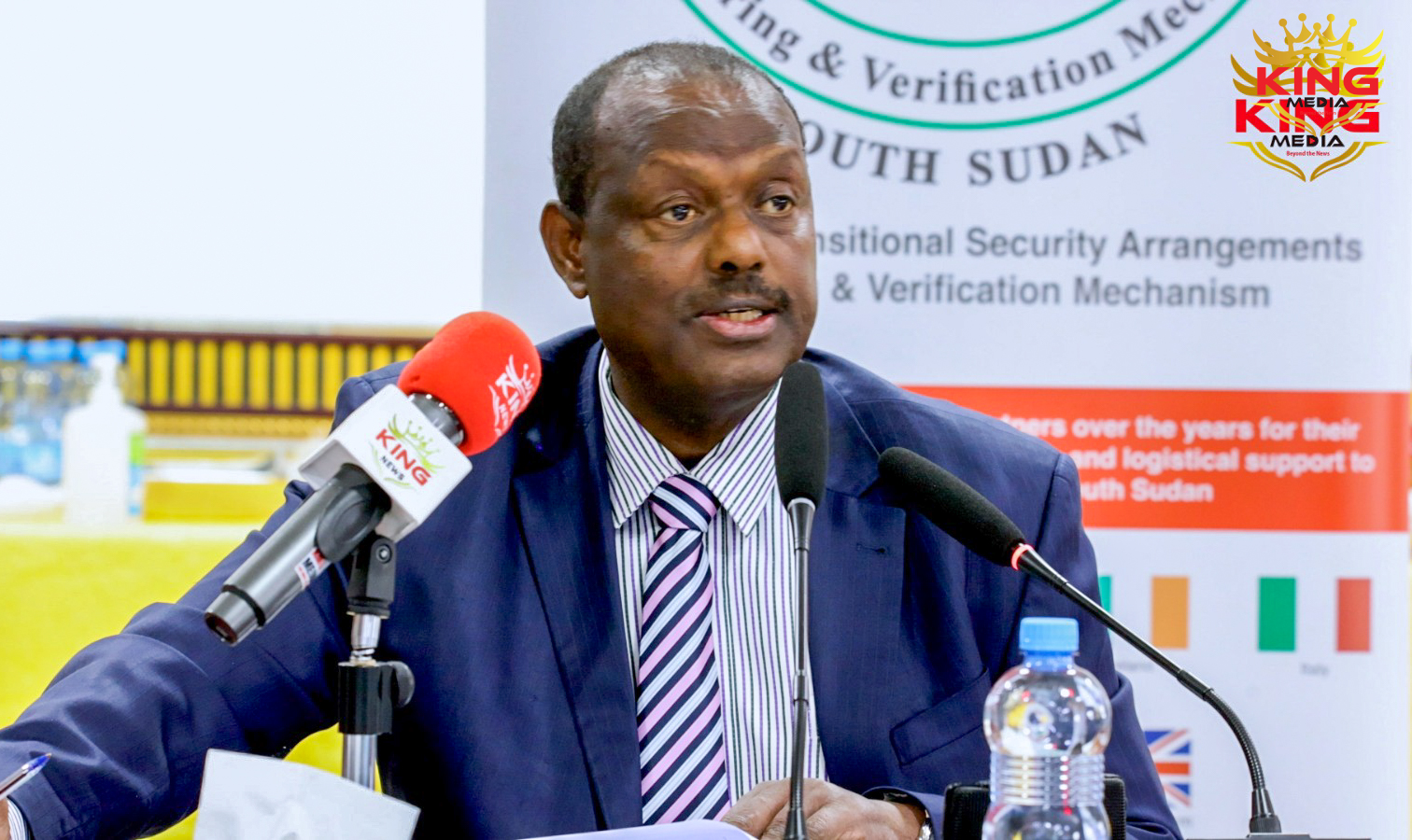
Speaking at the CTSAMVM Technical Committee meeting in Juba on Wednesday, Ayana said the peace monitoring body will mount a fact‑finding mission to the area.
He expressed concerns over the collapse of peace and the protection of civilians under the R-ARCSS.
“CTSAMVM’s Monitoring and Verification Team for that area is currently planning for a verification mission to take place from 10 April,” Maj. Gen. Teshome said, committing the body to uncovering the truth behind the bloodshed.
The planned investigation follows a March 1, 2026, pre-dawn attack in which suspected armed youth from Mayom County stormed Abiemnhom, killing more than 200 people and wounding dozens, according to local officials.
Authorities in Mayom and the Unity State government dismissed the claims, alleging that the attack was carried out by the White Army in collaboration with SPLA-IO forces.
The opposition, however, denied any involvement in the attack.
Women, children and the elderly were among the victims, and more than 1,000 civilians sought shelter at a United Nations Mission in South Sudan (UNMISS) base for protection in the aftermath of the violence.
The brutal attack has drawn condemnation from humanitarian actors, faith leaders, and international partners, who underscore the fragility of the peace process as violence intensifies across multiple regions.
Teshome highlighted the human toll of the unrest and the threat it poses to the 2018 Revitalized Agreement.
“The situation has not improved since our last meeting in February, and the Revitalized Agreement is still in real danger,” he stressed.
He warned that “only the signatory parties can give South Sudan peace” and lamented that disturbing incidents, such as the Abiemnhom attack, indicate that parties are failing in that obligation.
Beyond Abiemnhom, the CTSAMVM chair pointed to other flashpoints in Jonglei State, including heightened clashes in Akobo that have prompted mass displacement and humanitarian disruption.
He reiterated that “territorial battles are not the way to resolve conflict” and urged parties to adhere to mechanisms laid out in peace accords.
The planned investigation by CTSAMVM comes amid broader concerns over freedom of movement for monitors and increasing challenges on the ground. Maj. Gen.
Teshome noted a separate incident earlier in March where a CTSAMVM team was blocked at a checkpoint near Juba, a violation of the body’s guaranteed access under R‑ARCSS.
Despite these obstacles, the mechanism has continued verification efforts, with teams deployed in Eastern Equatoria, Malakal and Wau conducting fact‑finding missions into reported violations.
“CTSAMVM remains steadfast in its mandate to monitor, verify, and report impartially, but lasting peace ultimately depends on the political will of the Parties to uphold the permanent ceasefire, ensure the protection of civilians, and engage in constructive, inclusive dialogue,” he reaffirmed.