


Guya Scopas Bethuel
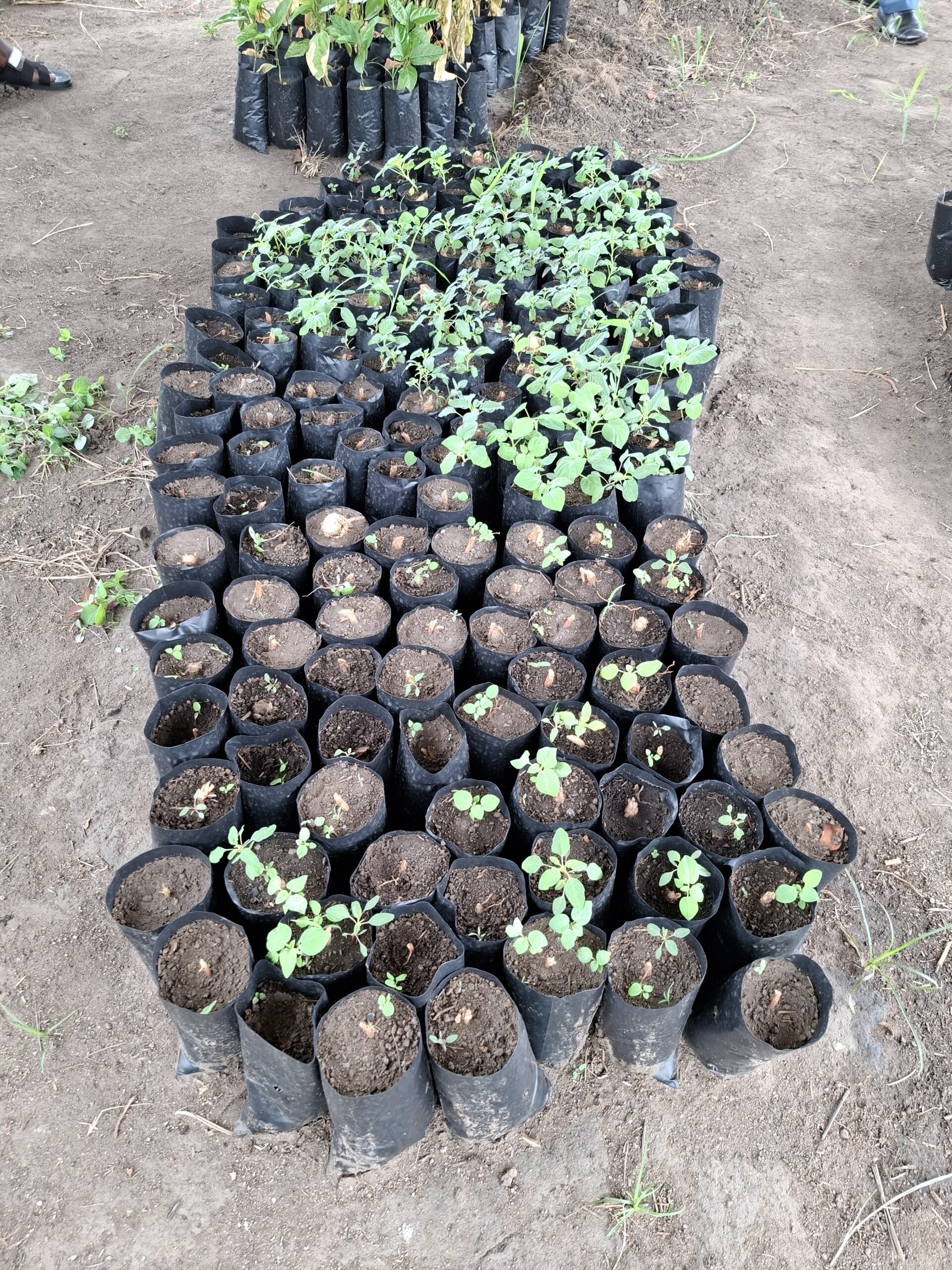
Partners under Team Europe, including the European Union, Germany, and the Netherlands, marked the International Day of Forests 2026 by supporting afforestation efforts across South Sudan and distributing more than 18,000 tree seedlings to communities.
The initiative, led by Deutsche Gesellschaft für Internationale Zusammenarbeit (GIZ) GmbH in partnership with Cordaid, highlights the growing importance of forests in sustaining livelihoods, boosting food security, and protecting the environment in the country.
The tree planting campaign is part of two major programmes: the Natural Resource Management for Enhanced Agricultural Production and Nutrition (FONA) project and the Fostering Integrated Disaster Risk Management (FIDRM) project under the Community Driven Rural Development (CDRD) initiative. These programmes are jointly funded by Team Europe partners and implemented by GIZ South Sudan, with support from Cordaid.
The projects are being implemented in Yambio County and Magwi County, where communities are adopting agroforestry practices that integrate trees into farming systems.
Since the launch of activities in December 2022 under FONA and their expansion in June 2024 through FIDRM, thousands of farmers have received training in sustainable land use, nursery management, and climate-resilient agricultural practices.
Community members are also establishing nurseries and planting fruit and shade trees, as well as native species, to improve soil fertility, enhance moisture retention, and increase crop productivity.
The initiative comes amid growing concerns over deforestation in South Sudan, which has led to declining soil fertility, reduced agricultural output, and heightened vulnerability to climate shocks such as floods, fires, and erosion.
A photo showing tree seedlings ready for planting.
To address these challenges, the projects are promoting bushfire prevention through community awareness campaigns, fire-control training, and the distribution of fire-management equipment, including sprayers and beaters. In addition, energy-efficient cooking technologies are being introduced to reduce dependence on natural forests.
Communities have already reported benefits, including improved access to fuelwood, reduced environmental degradation, and strengthened resilience to climate-related risks.
According to the Country Director of Cordaid South Sudan, restoring degraded ecosystems is essential for safeguarding future generations.
“Much of our work today is remedial, restoring forests and reviving rivers damaged by years of recklessness. But restoration is just the beginning. We are laying the foundation so future generations can strengthen ecosystems instead of repairing our mistakes,” said Tom Otieno.
Tree planting remains a central feature of International Day of Forests celebrations in the project areas, reflecting a shared commitment among communities and partners to restore landscapes and promote sustainable development.
A photo showing tree seedlings ready for planting.
In South Sudan, GIZ operates on behalf of the German government, supporting key sectors such as rural development, governance, water and sanitation, peacebuilding, and gender equality. The broader Community Driven Rural Development programme is co-funded by the European Union and the Embassy of the Kingdom of the Netherlands.
Through these combined efforts, Team Europe continues to play a critical role in advancing environmental protection, food security, and climate resilience across South Sudan.